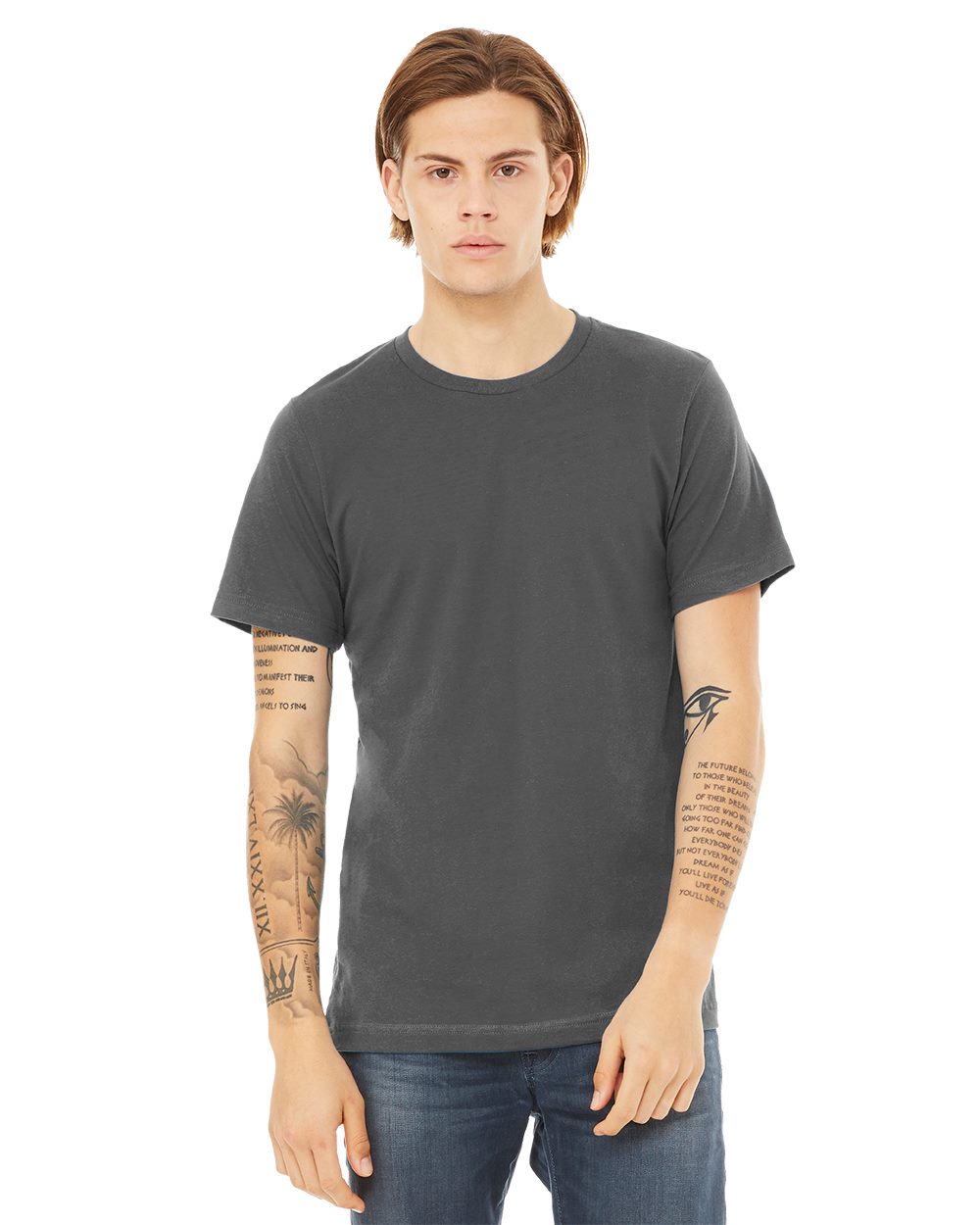
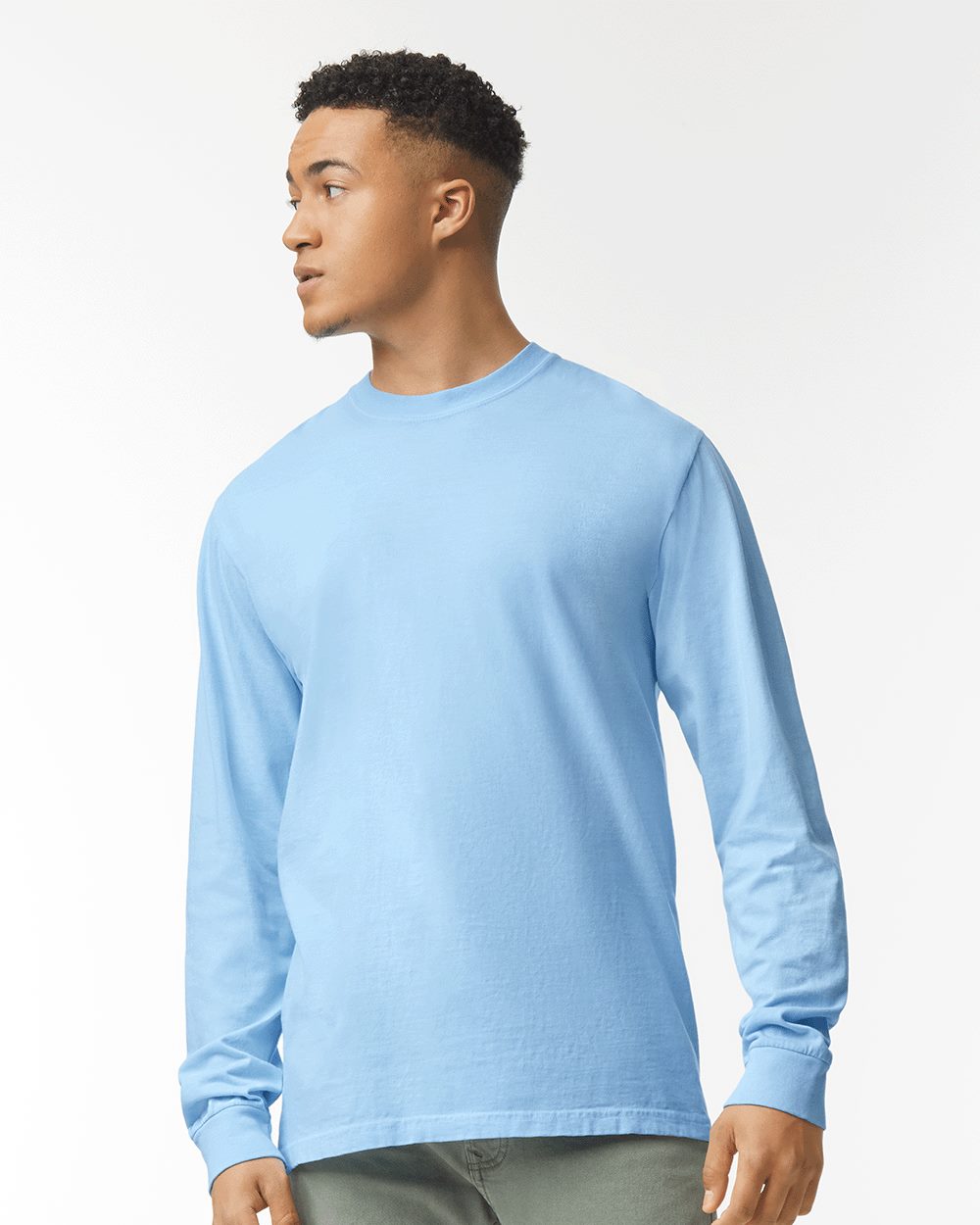
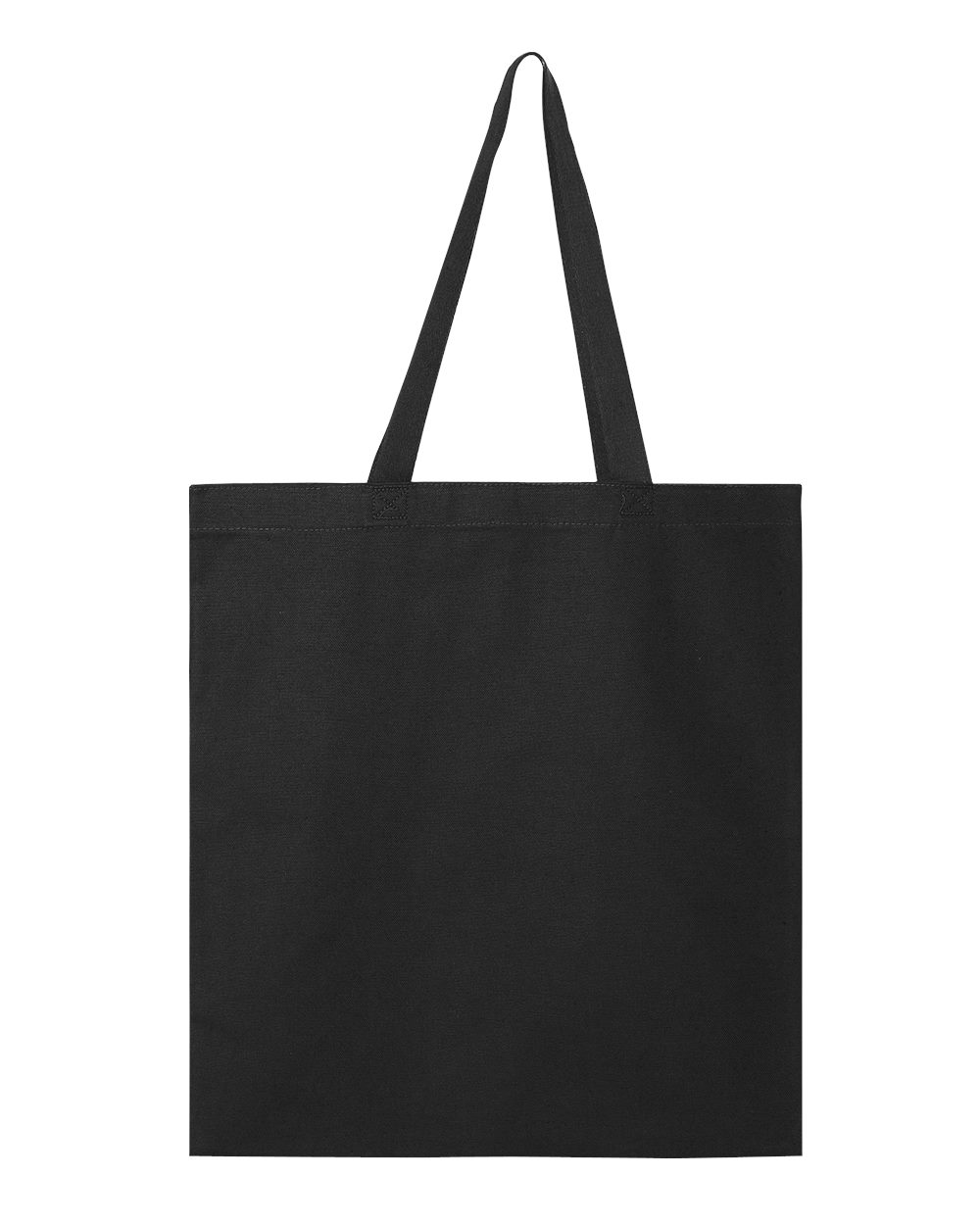
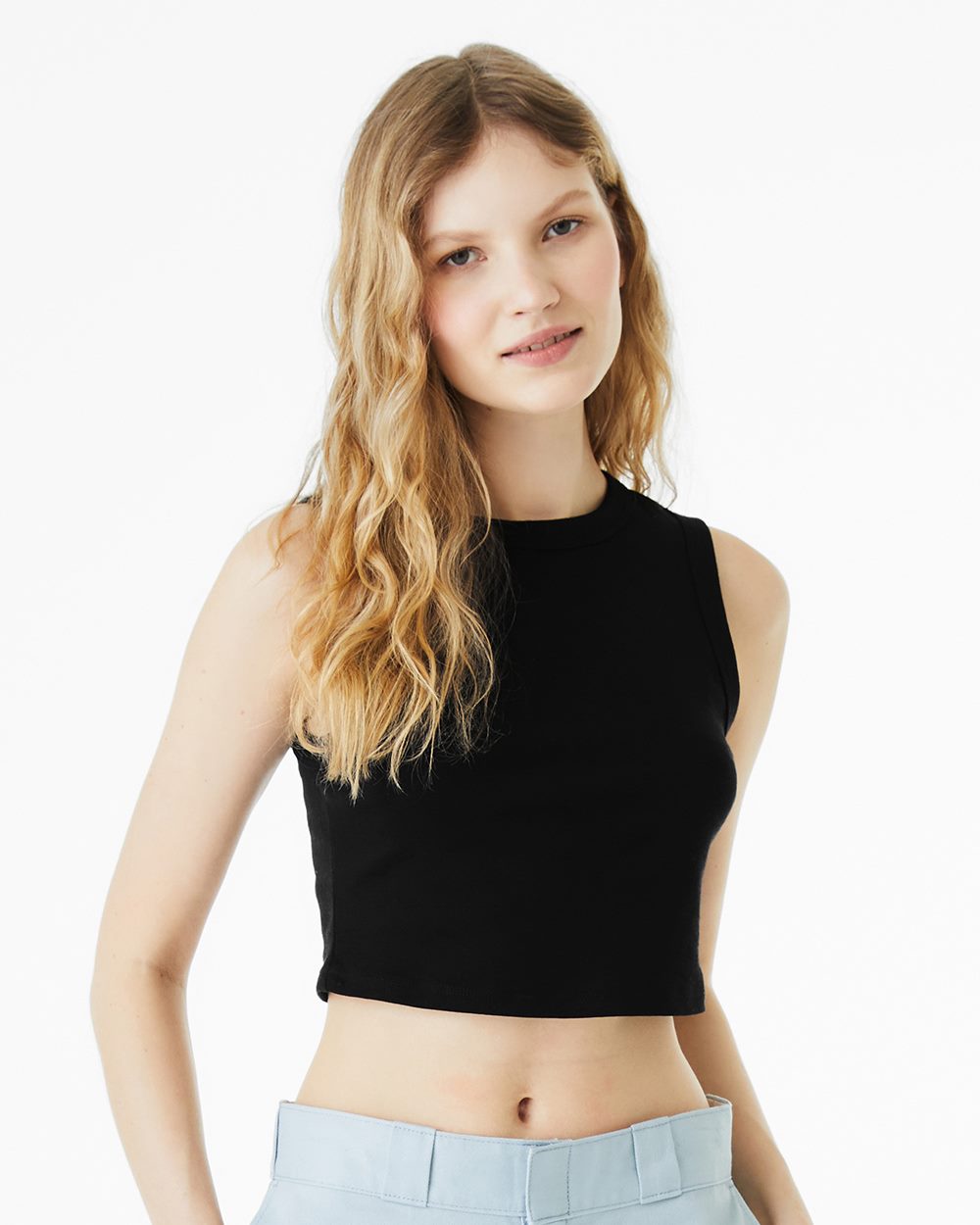
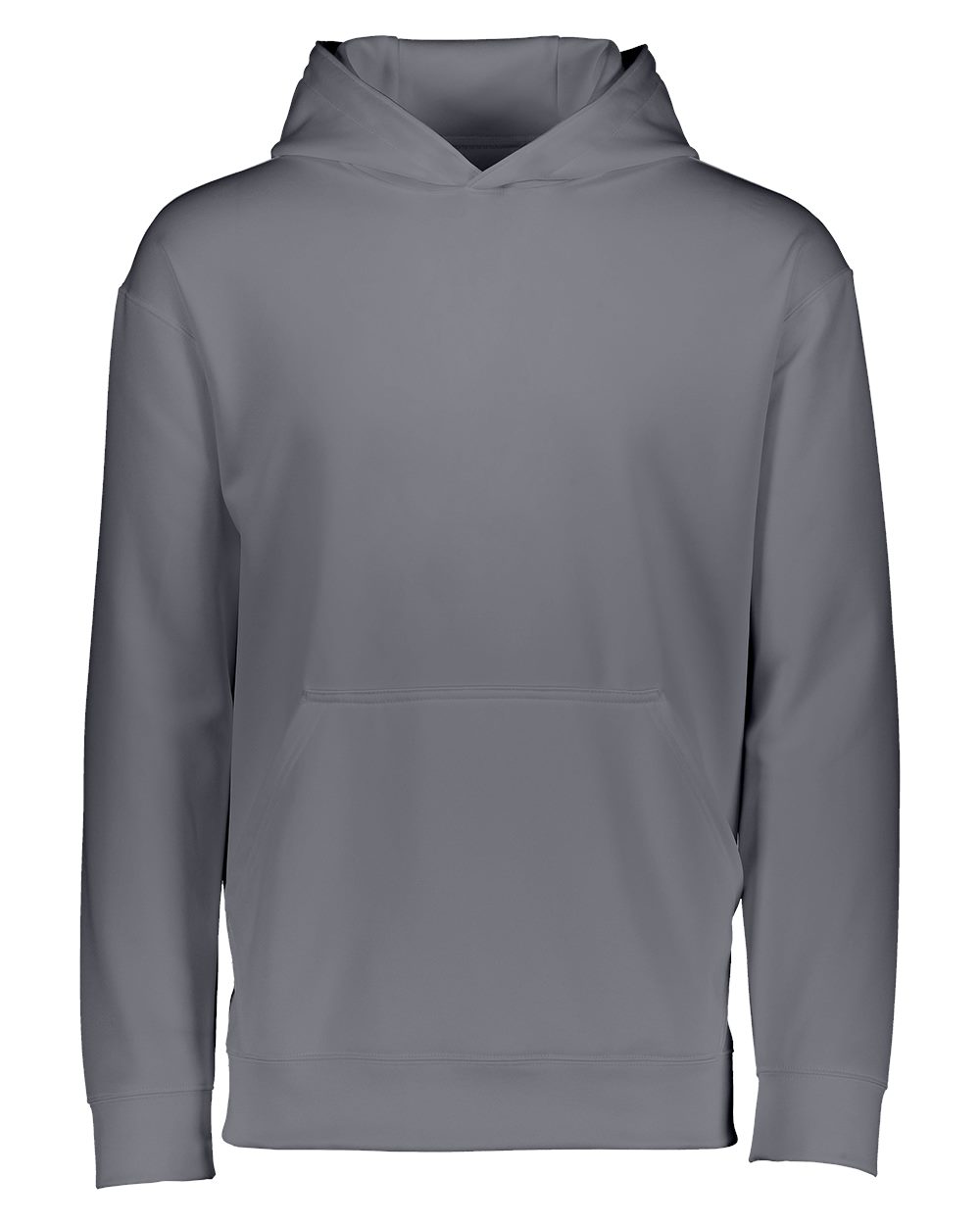
Direct-to-garment printing, or DTG, is a digital process that prints full-color designs straight onto apparel using a specialized inkjet printer. Think of it as a desktop printer built for t-shirts. There are no screens and no color separations, so a photo, a painting or a gradient prints as easily as a simple logo.
How does the DTG process work?
1. Design preparation
The artwork is prepared as a digital file and loaded into the printer’s software. A high-resolution file with a transparent background gives the best result. Our design tips cover file prep.
2. Garment pretreatment
The garment is treated with a pretreatment solution, then pressed to set it. Pretreatment helps the ink bond to the fibers, keeps colors sharp and helps the print hold up in the wash. It matters most on dark garments.
3. Printing
The garment is laid flat on the printer’s platen. Inkjet print heads spray water-based ink directly onto the fabric, building up the full image in one pass or a few. On dark fabric, a white base layer goes down first so colors pop.
4. Heat setting
The printed garment goes into a heat press or dryer to cure the ink. This locks the print into the fabric so it lasts.
The result is a detailed, full-color print with a soft feel, because the ink sits in the fibers instead of in a thick layer on top.
What is DTG best for?
- Short runs. A dozen shirts, or a test run before a big order.
- Full-color art. Photos, gradients, illustrations and designs with lots of colors.
- Variety. A different design on every shirt costs no more in setup than one design.
- Test drops. See what a design looks like on fabric before committing to a bigger run.
At TBSP, DTG printing starts at 6 pieces.
What fabrics work best with DTG?
DTG performs best on 100% cotton and high-cotton blends. The water-based ink bonds to natural fibers, giving the brightest colors and softest feel. Results on polyester-heavy fabrics are less consistent. For those, direct-to-film (DTF) is often the better choice, because the design is printed onto film and then heat-applied to the garment.
When should you choose screen printing instead?
DTG is not always the answer. Screen printing is usually the better pick when:
- You need a bigger run of one design. Screens take time to set up, but each additional piece prints fast, so per-piece cost drops with quantity.
- Your design uses a few solid spot colors that need to be extra bold and opaque.
- You want specialty effects like puff or metallic inks.
For full-color or photo art, we usually recommend DTG or DTF. Learn how the screen process works in what is screen printing and how is it done.
DTG vs DTF at a glance
- DTG prints directly into the fabric. Softer feel, best on cotton.
- DTF prints onto a film that is heat-pressed on. Works on a wider range of fabrics and placements, with a slightly smoother surface feel.
Both skip screens and suit full-color art. Tell us your garment and design and we will recommend the right one.
Do you need fast turnaround?
Because DTG skips screens, small orders can move quickly. Normal (about 2 weeks), Rush (1 week, +15%) and Super Rush (3 business days, +30%) turnaround options are available at our Los Angeles shop. See Rush and Super Rush printing or call (323) 433-0033.
Ready to print in full color? Get a free quote.