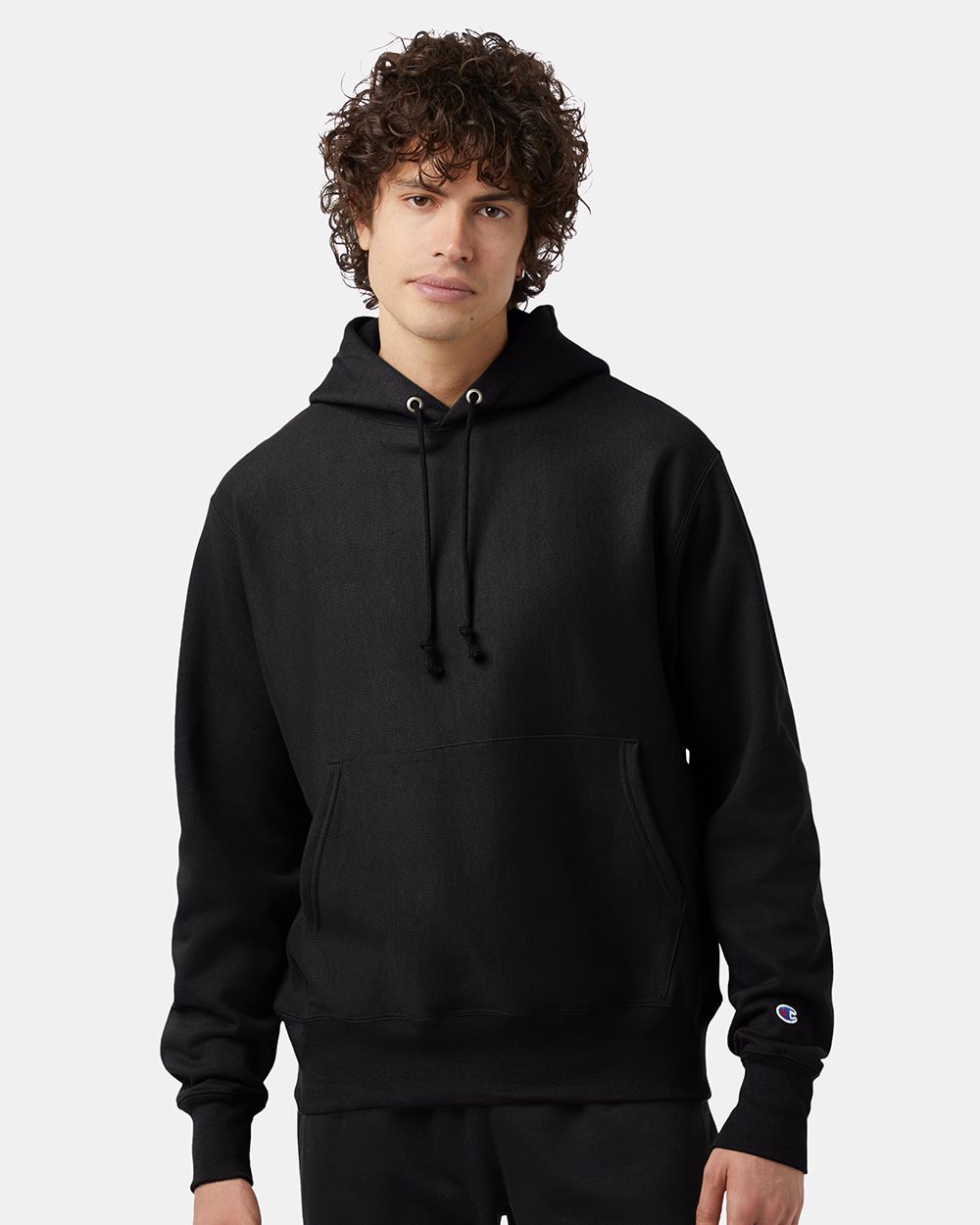
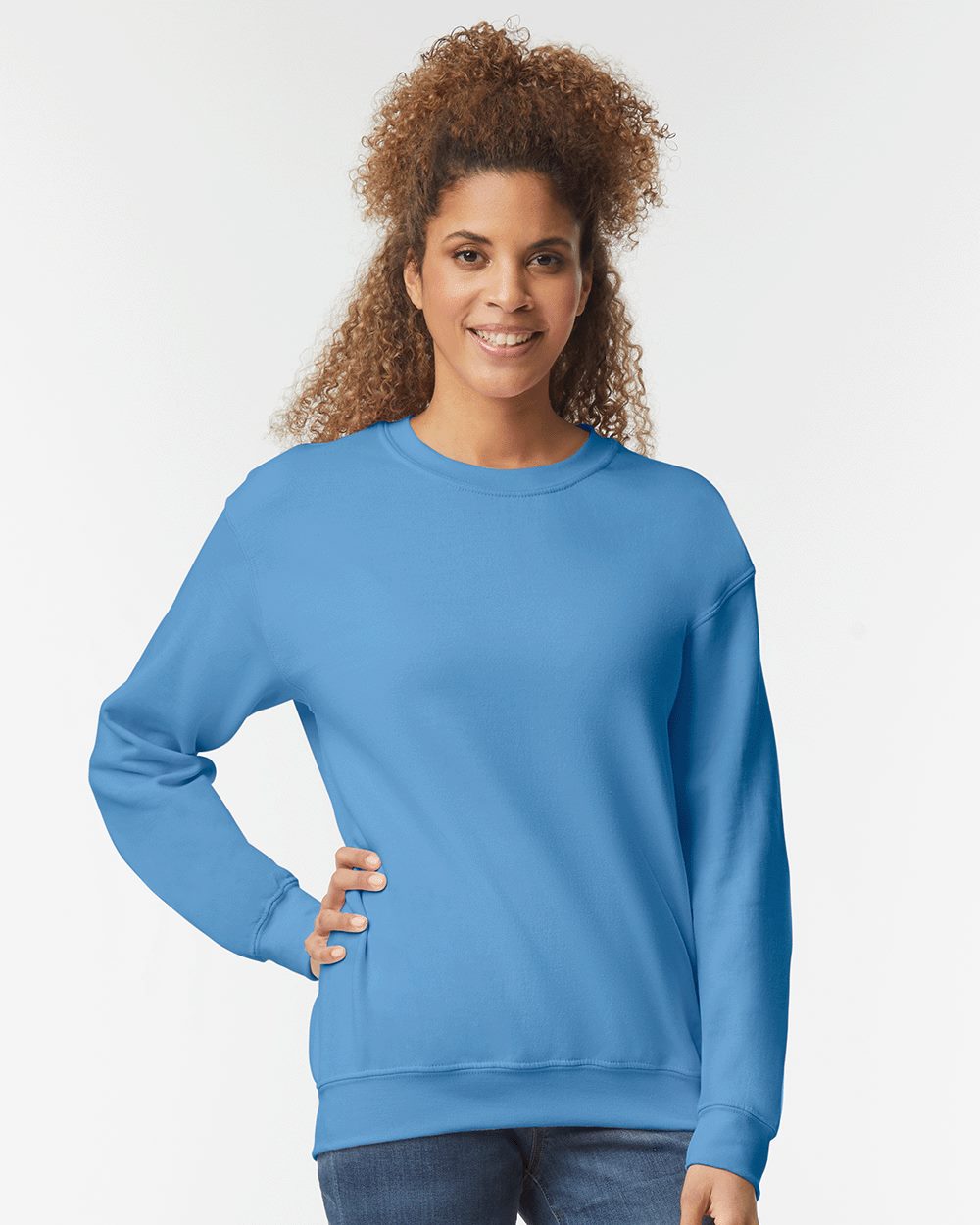
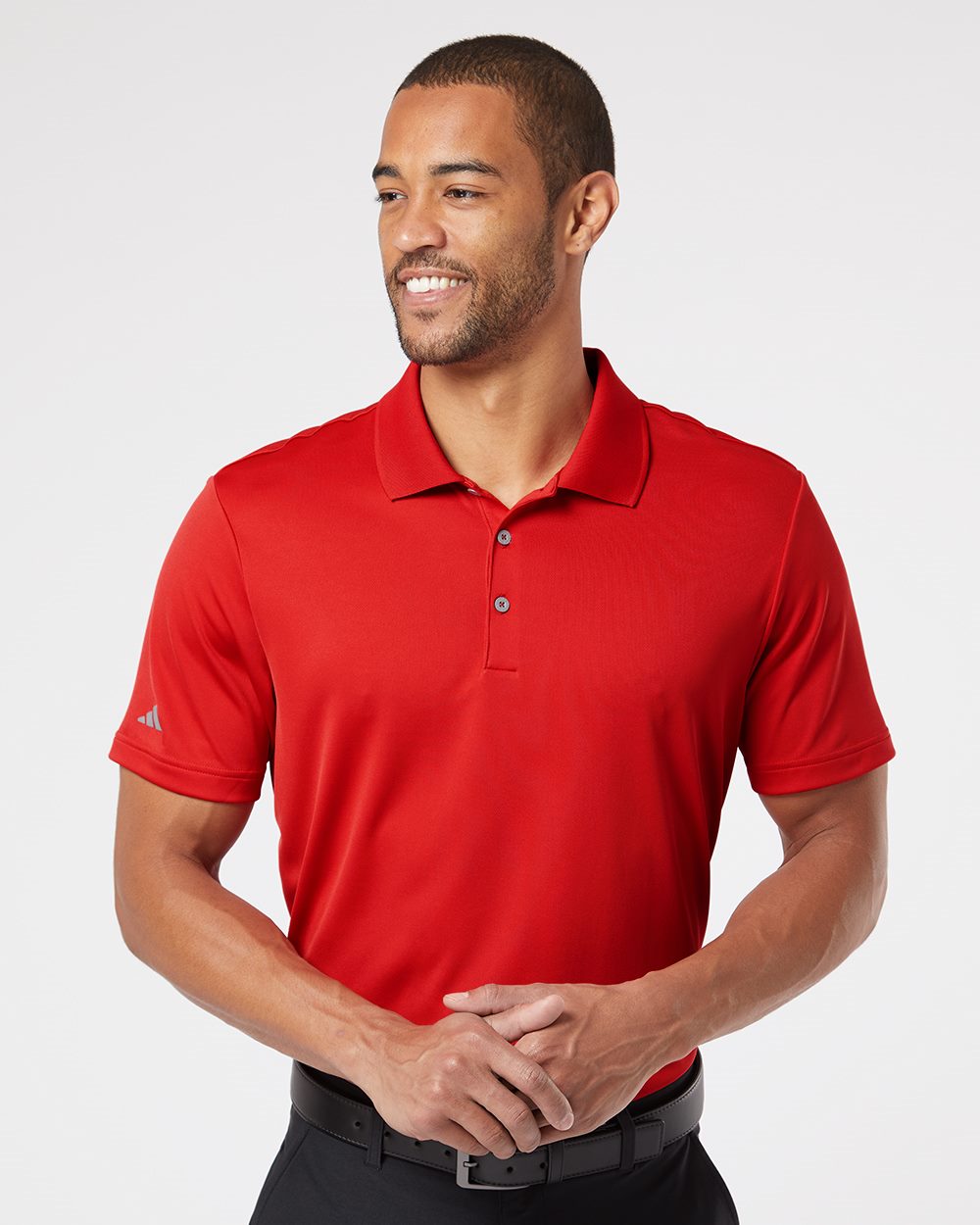
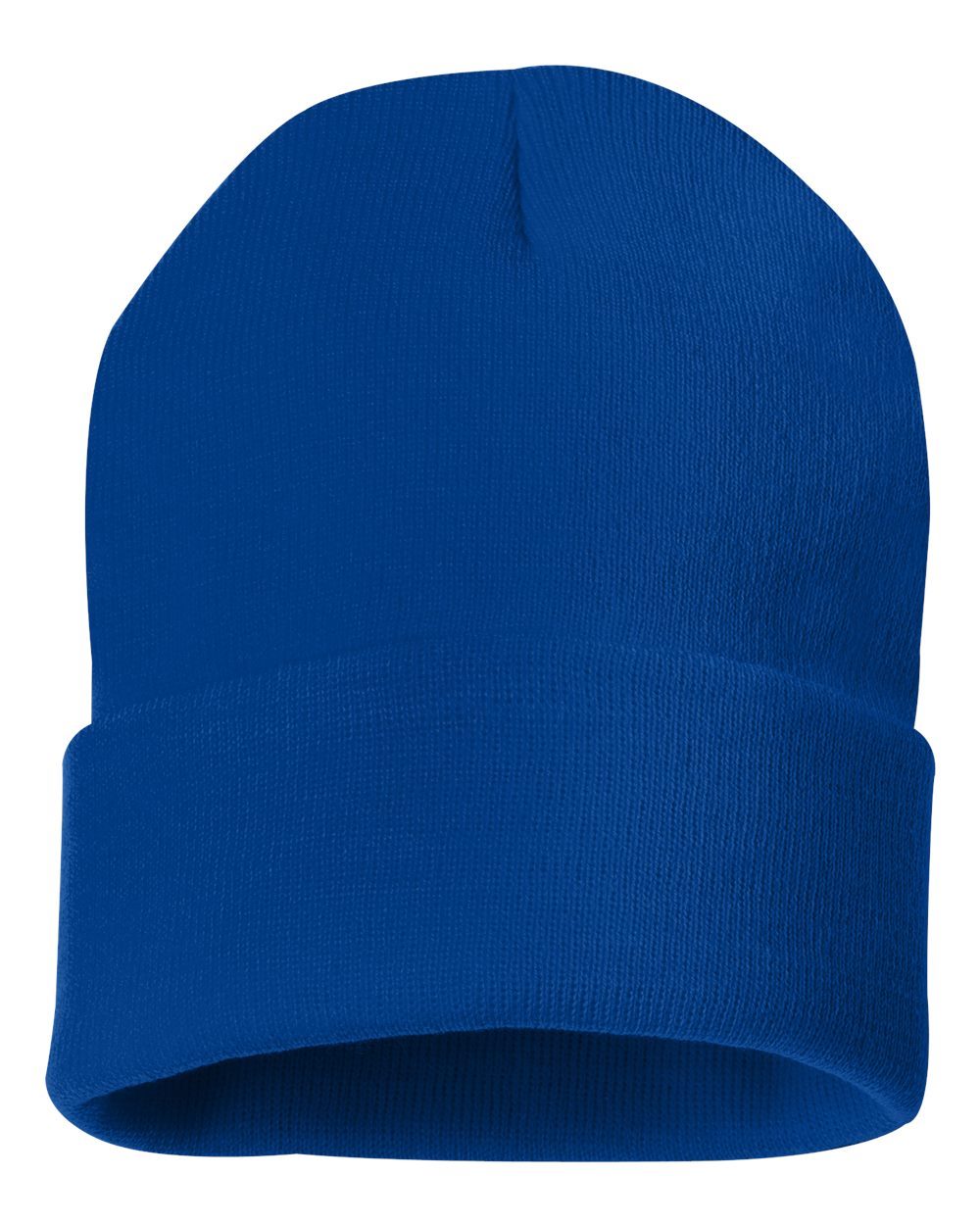
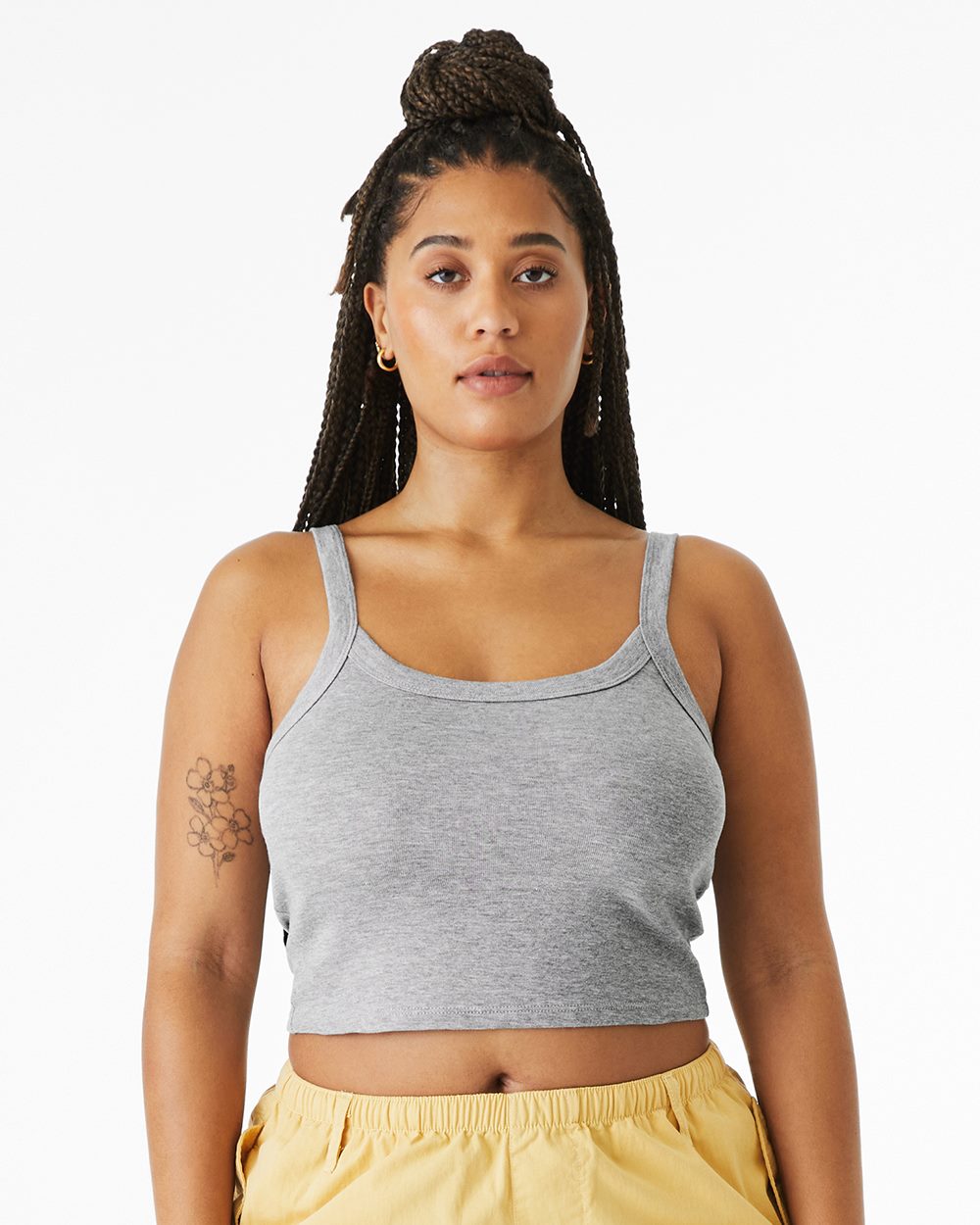
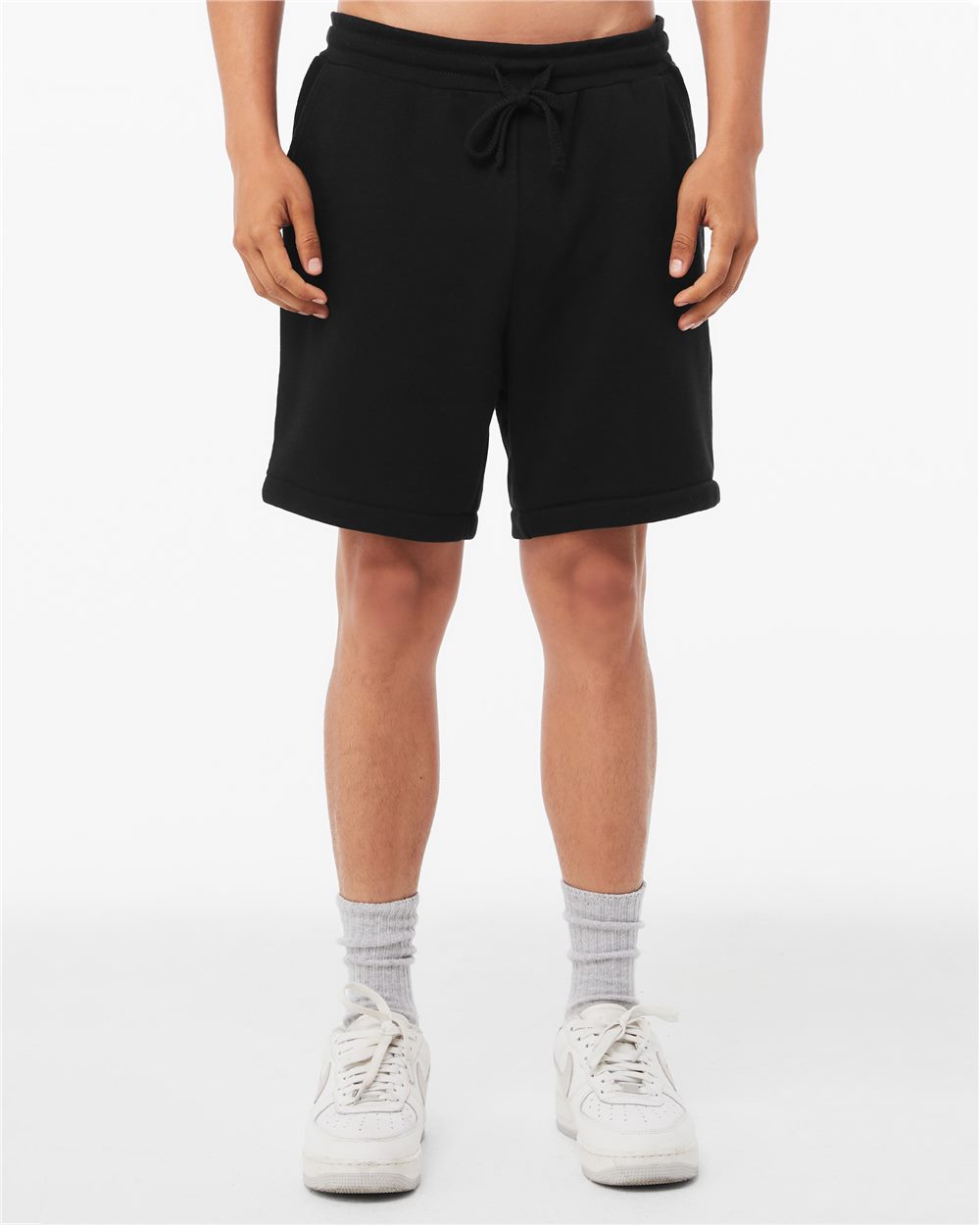
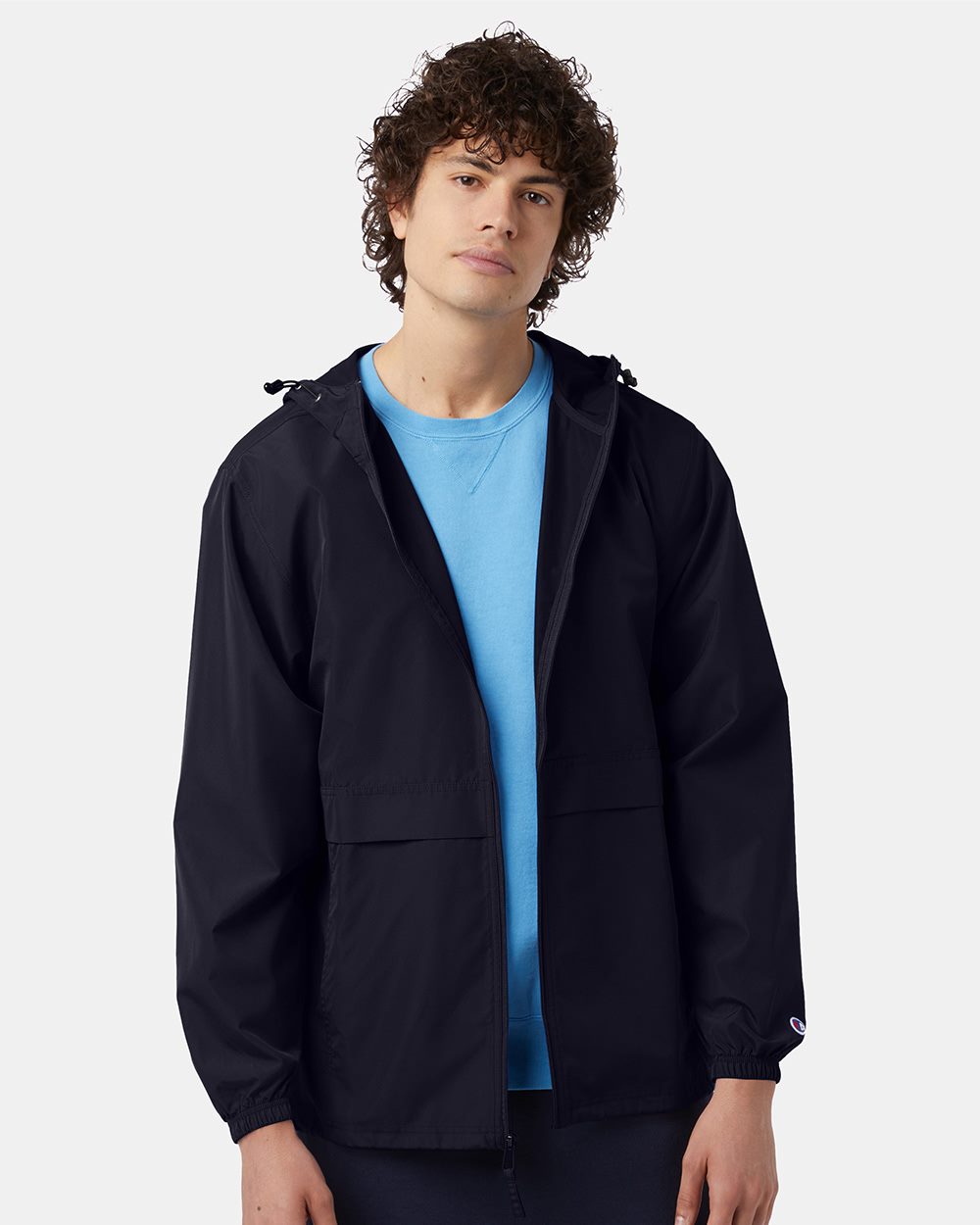
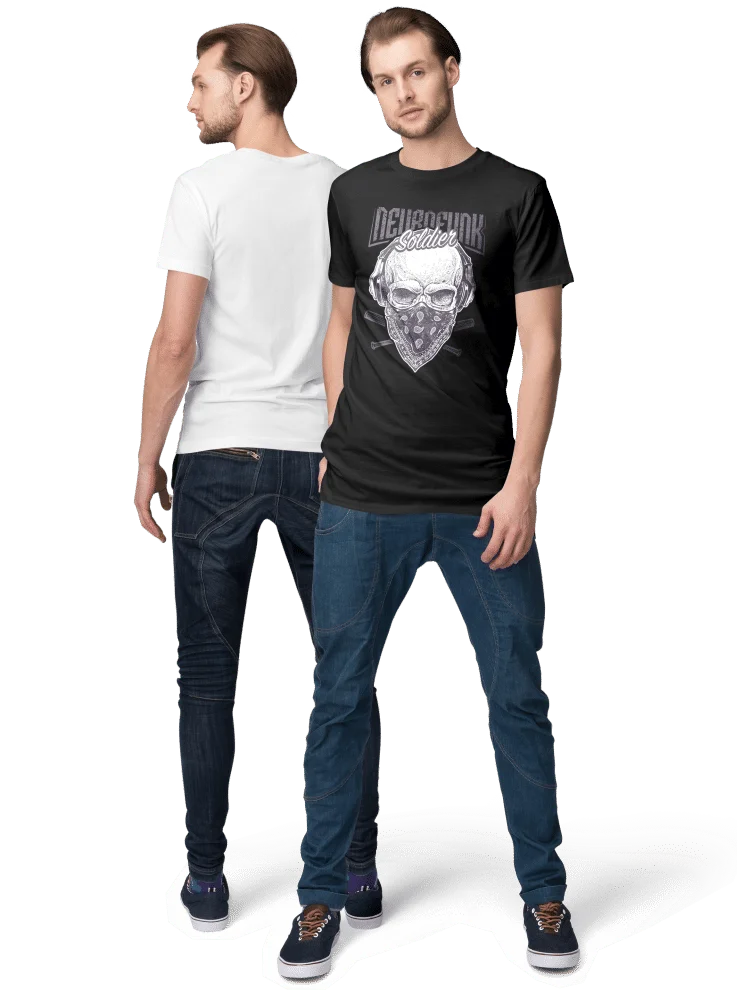
Same shirt. Five different prints.
A custom printed tee can feel like a soft vintage print, a bold slab of opaque ink or a photo that looks dyed into the fabric. The difference is the method. Here is how each one works and when it wins.
Screen printing: bold color in bulk
Ink is pushed through a mesh screen, one screen per color, layer by layer. The result is opaque, saturated color with a print that stands up to years of washing. Screen printing starts at 6 pieces and is printed in-house at our shop.
Choose it for: staff shirts, events, teams, merch drops, designs with a few solid colors. More on screen printing.
Direct-to-garment: full color, fine detail
DTG works like an inkjet printer for fabric, spraying water-based ink straight into the shirt. Unlimited colors, fine detail and a soft feel, with no screens.
Choose it for: short runs, photos and gradients on cotton. More on DTG.
Direct-to-film: small runs on more fabrics
Your design is printed onto a film, coated with adhesive powder and heat pressed onto the garment. It handles full color and works on cotton, polyester and blends.
Choose it for: short runs, mixed fabrics, bright color on dark shirts. More on DTF.
Heat transfer vinyl: names and numbers
Cut vinyl is pressed onto the shirt for clean, sharp lettering. It is how one design becomes a full roster of personalized shirts.
Choose it for: jerseys, staff names, individual numbers. More on heat transfer.
Sublimation: the whole shirt
Dye is turned to gas by heat and bonded into polyester fibers, covering the shirt edge to edge with no ink feel.
Choose it for: all-over patterns and photo prints. More on all-over printing.
How do I choose the right one?
Start with three questions:
- How many of one design? Every order starts at 6 pieces. The bigger the run, the more screen printing pays off.
- How many colors? A few solid spot colors suit screens. Photos and gradients suit DTG, DTF or sublimation.
- What fabric? Cotton opens every option except sublimation. Polyester is where sublimation and DTF shine.
You do not have to get it right on your own. Every quote comes with our recommendation and a free art check. To see how an order moves from art to pickup, read custom t-shirt printing step by step, or browse blanks in the catalog.
Let us match the method
Send your design and quantity, and we will tell you which print gives you the best result for the budget. Get a quick quote.