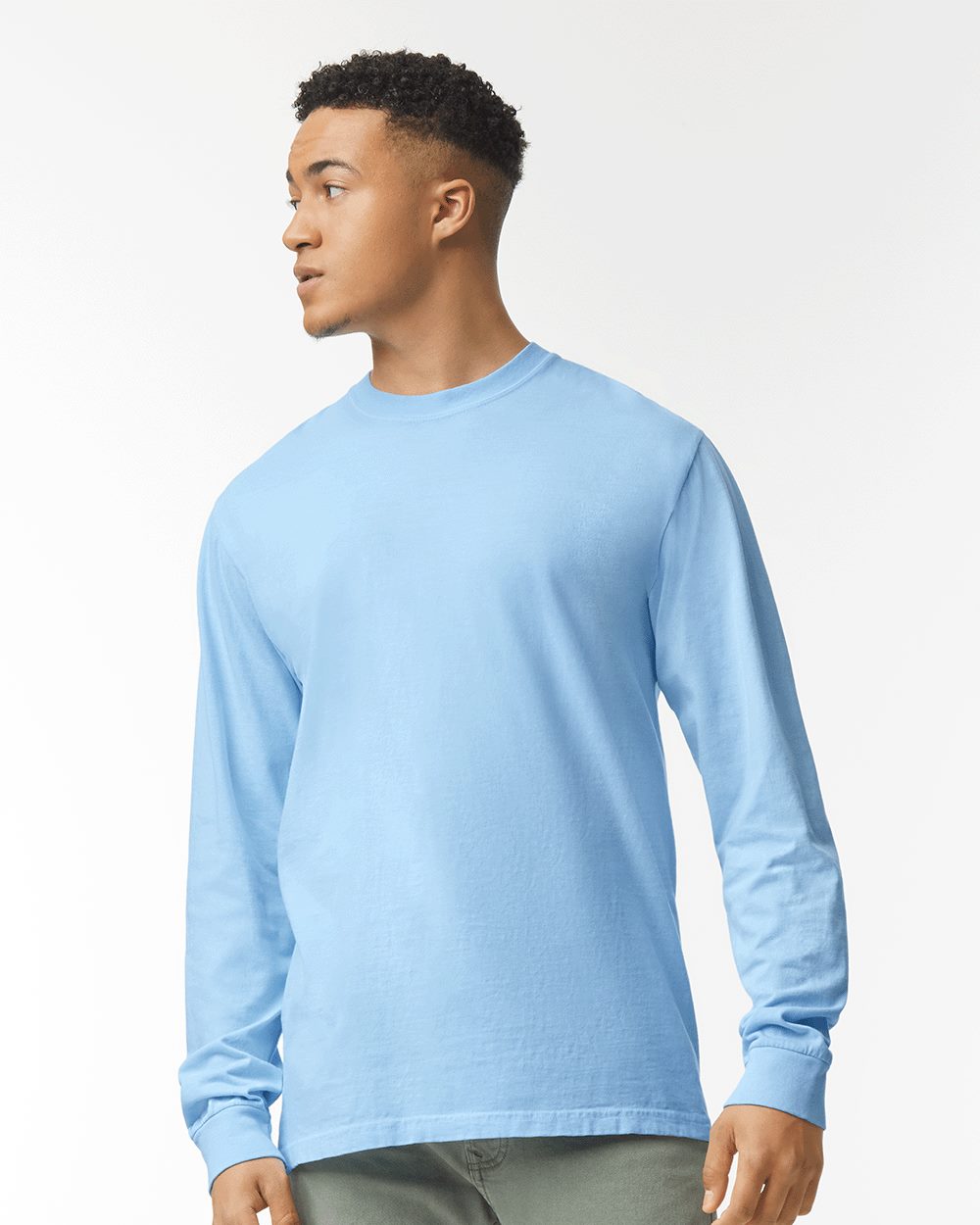
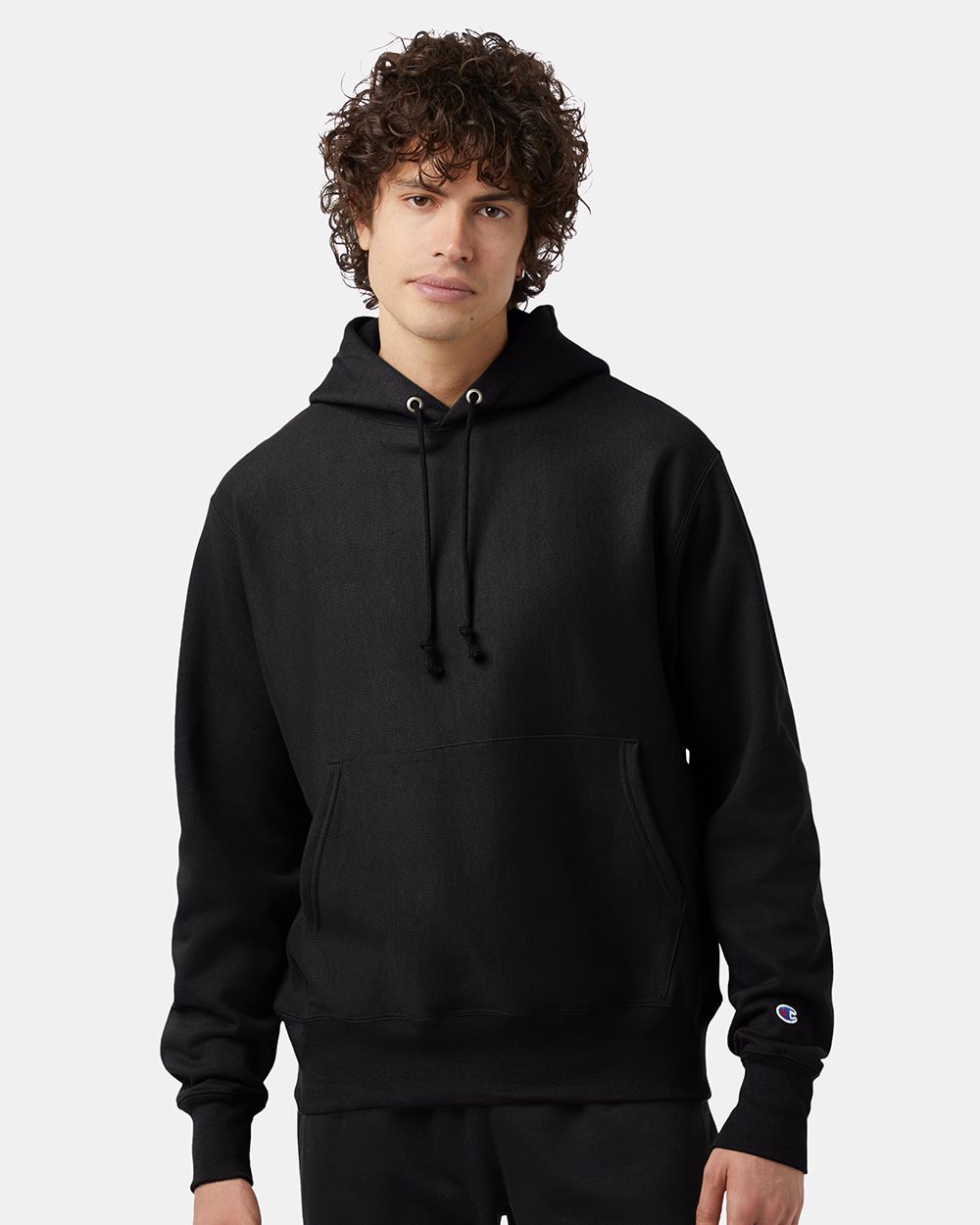
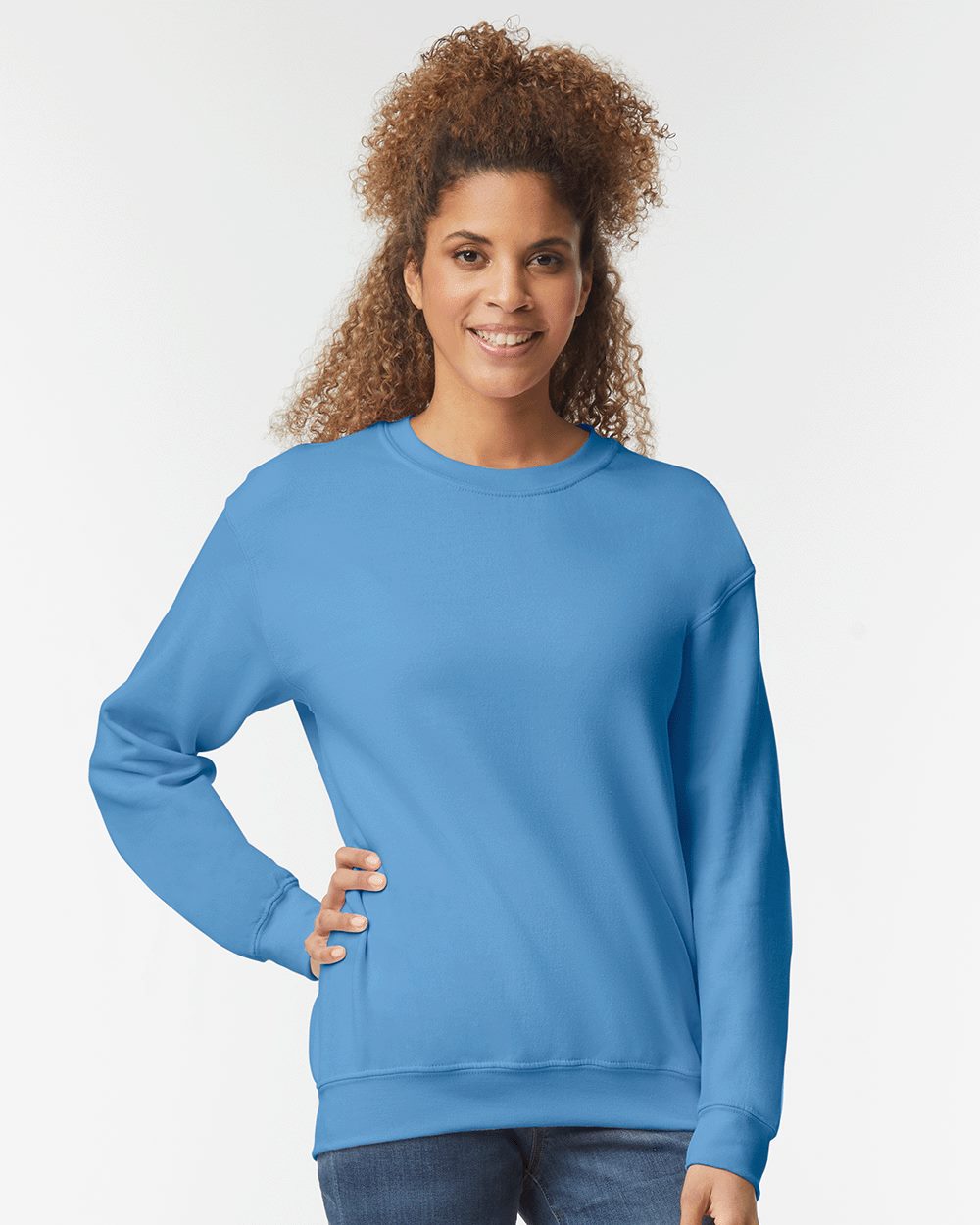
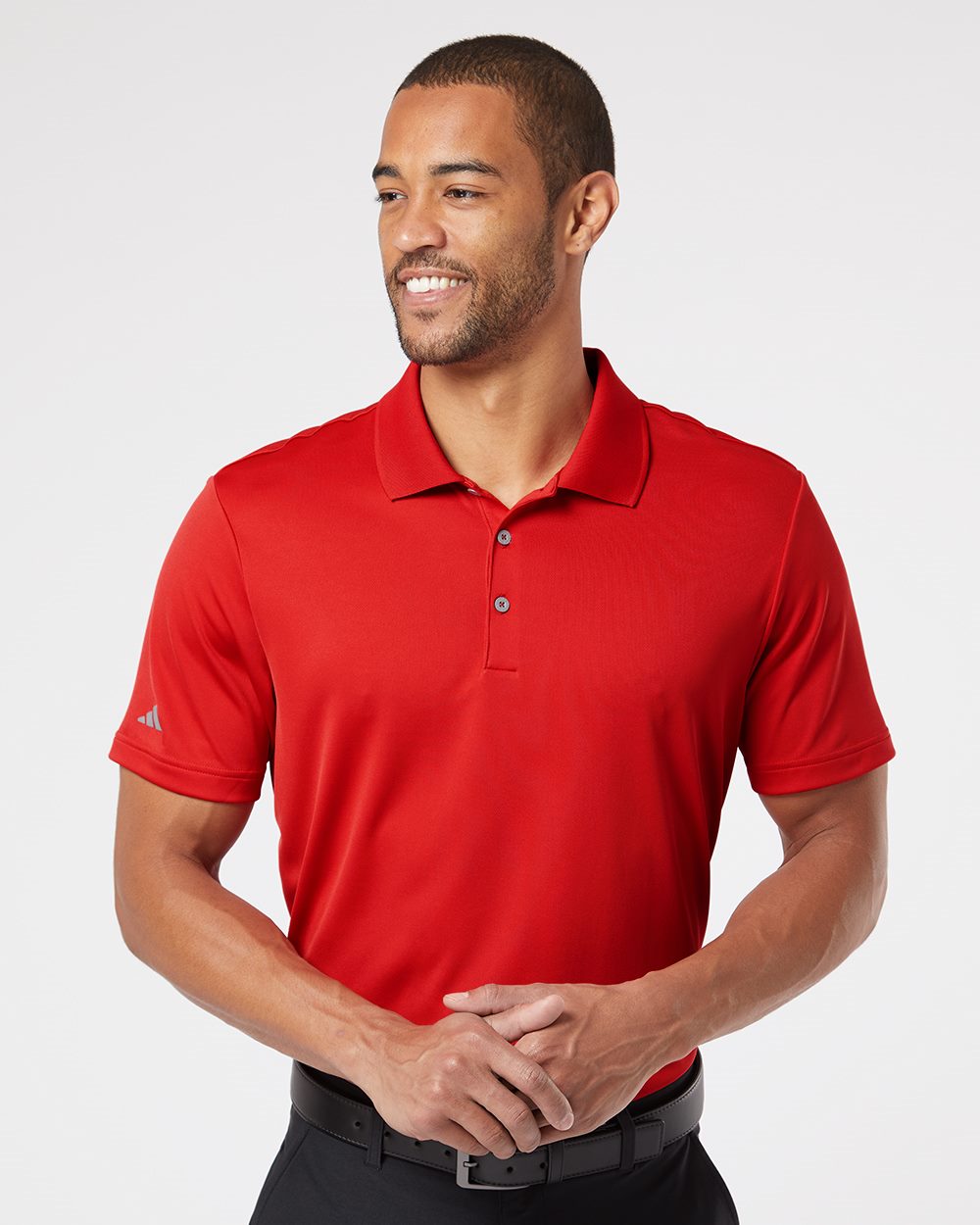
The whole shirt is the canvas
Most printing puts a logo in a box on the chest. All-over printing ignores the box. Your artwork runs across the front, wraps around the back and carries down both sleeves, so the shirt reads as one continuous piece of design: a photo, a pattern, a gradient, a texture, a full-bleed graphic with no blank fabric framing it.
It is the look behind a lot of streetwear, festival merch and brand drops, and we press it right here at our Los Angeles shop.
How does all-over printing work?
We use dye-sublimation, which works nothing like screens or ink layers:
- Layout. Your artwork is laid out in the shape of the garment’s panels. For a T-shirt that means front, back and each sleeve. For a hoodie it also includes the hood.
- Print to paper. The layout is printed onto transfer paper with sublimation dye.
- Press. The paper goes on a large heat press, the garment is laid on top, and heat and pressure turn the dye into a gas that bonds with the polyester fibers.
- Flip and repeat. The garment is turned and pressed again until every panel carries the design.
Because the dye moves into the fiber instead of sitting on it, colors come out vivid and photographic, and the print has no hand at all. Run your palm over it and you feel fabric, not ink.
What all-over printing does best
- Photographic and painted artwork with smooth gradients and unlimited colors
- Repeating patterns like camo, florals, checks or a logo monogram
- Abstract and textured graphics that would need too many screens to screen print
- Branded merch for businesses, events and organizations that want to go bigger than a chest logo
- Clothing lines building a signature print across tees, hoodies, sweats and socks
Design tips before you send art
All-over prints reward a little planning:
- Go big on resolution. The artwork prints at full garment size, so start with high-resolution files. Our free art check flags anything that will look soft.
- Respect the seams. Keep faces, text and logos away from collars, side seams and underarms. The press works panel by panel on a finished shirt, so small unprinted lines can appear in folds. Busy patterns hide them; big flat colors show them.
- Think light. Sublimation dye is transparent, so it needs a white or light polyester base. It cannot lay white onto a dark shirt.
Is all-over printing right for your design?
If your design fits on the chest or back and you want it on cotton, screen printing or direct-to-garment is usually the better call. Compare them on screen printing, direct-to-garment and direct-to-film. Need a short run of all-over pieces before a full run? See small-run all-over printing. For the full range of blanks, browse T-shirts or hoodies and sweatshirts.
Bring us the wild idea
Send your artwork, the garment you have in mind and your deadline, and we will tell you exactly how it will print. Get a quick quote or call (323) 433-0033.